A strategy consultant finishes a client workshop on supply chain optimization. Three weeks later, a different client asks about vendor consolidation. The consultant knows she discussed something relevant — but the insight is buried in 40 pages of handwritten notes from 15 different meetings.
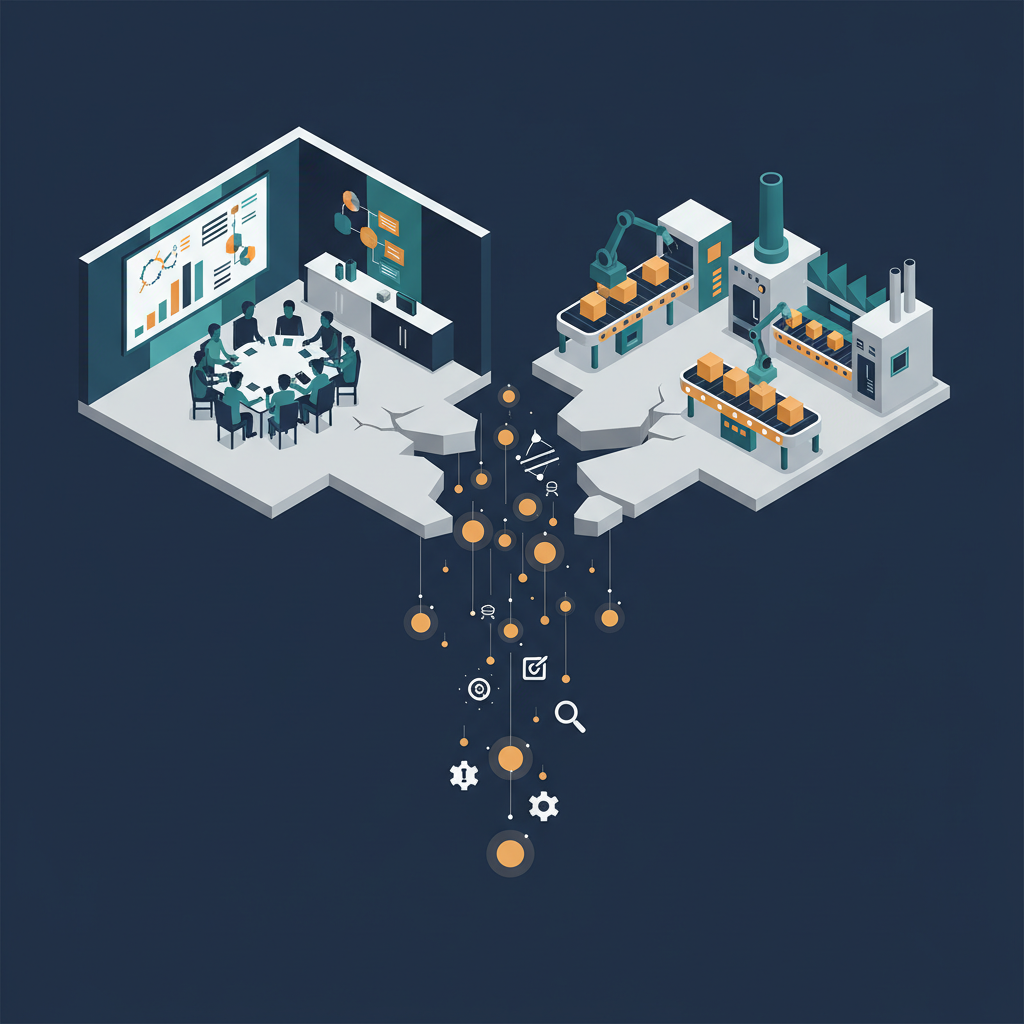
This is the consulting knowledge drain. Not a productivity problem — an intelligence problem. The insights from meeting one could have informed the recommendation in meeting four, but they are trapped in a notebook that will not be revisited until the weekend, if at all.
The 15-Meeting Problem
The average management consultant sits through 15 to 20 meetings per week. Client workshops, stakeholder interviews, internal syncs, steering committees, vendor calls. Each one generates insights that could be valuable across engagements.
But most of that knowledge evaporates. Consultants retain roughly 30% of what they hear in meetings that was not explicitly written down. Within a week, that number drops further.
The real cost is not lost time — it is lost pattern recognition. Consulting value comes from connecting dots across industries, clients, and problems. When meeting knowledge is trapped in individual notebooks, those connections never happen.
Why Current Approaches Fail
- Manual note-taking splits attention. You are either listening to the client or writing. Critical nuances — tone shifts, hesitations, off-hand comments about vendor relationships — get lost.
- Post-meeting summaries are reconstruction, not documentation. Writing a summary from memory an hour later captures the narrative you remember, not necessarily what was said.
- Search does not work across meetings. Even if notes exist, finding that one insight about vendor consolidation from three weeks ago means scrolling through dozens of documents with no semantic connection.
- Confidentiality blocks knowledge sharing. Client A’s insights could help Client B, but sharing raw notes across engagements is a compliance nightmare.
What Actually Changes the Workflow
The missing piece is not better note-taking discipline. It is infrastructure that captures everything, makes it searchable, and keeps client boundaries intact.
Full-Context Capture
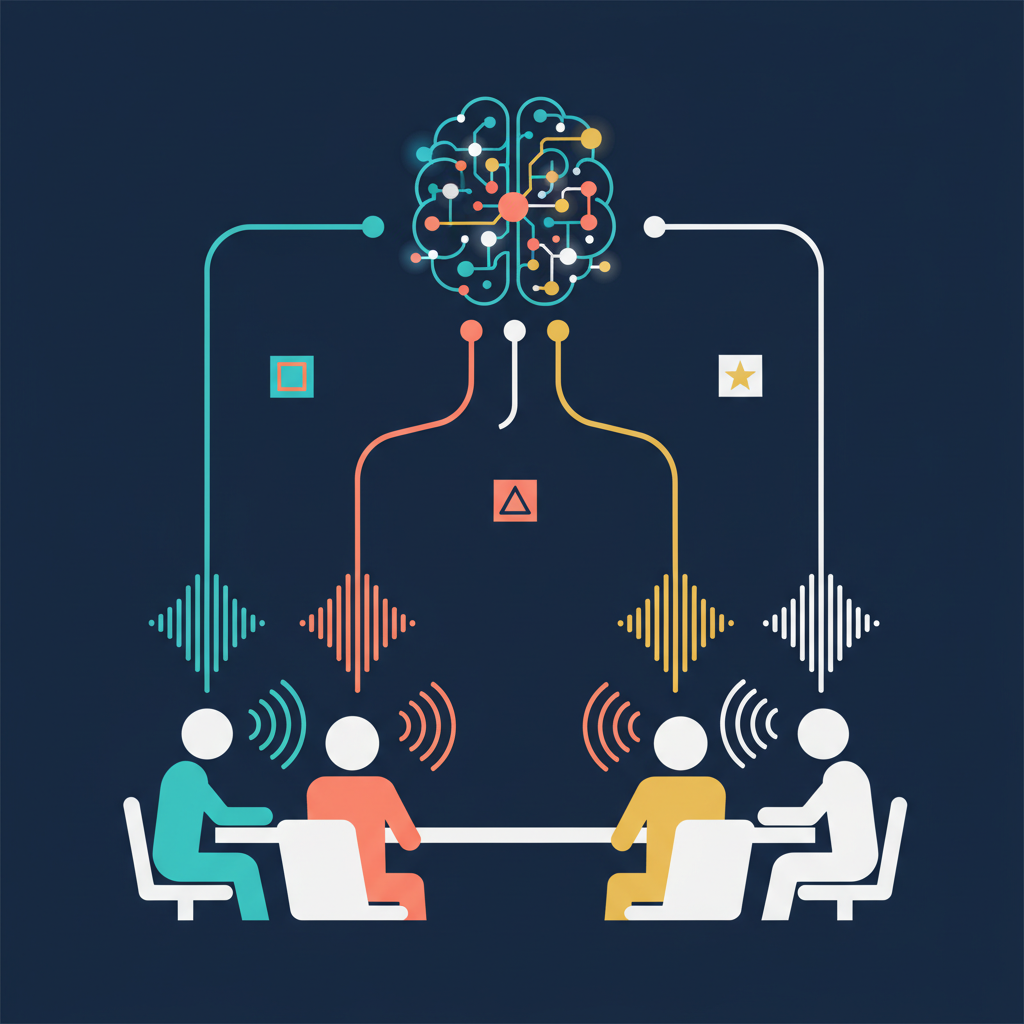
AmyNote transcribes meetings in real time using OpenAI’s Speech API, handling consulting terminology — EBITDA margins, RACI matrices, value stream mapping — with accuracy that manual notes cannot match. Speaker identification tracks who said what, even in rooms with six or seven stakeholders.
Cross-Meeting Semantic Search
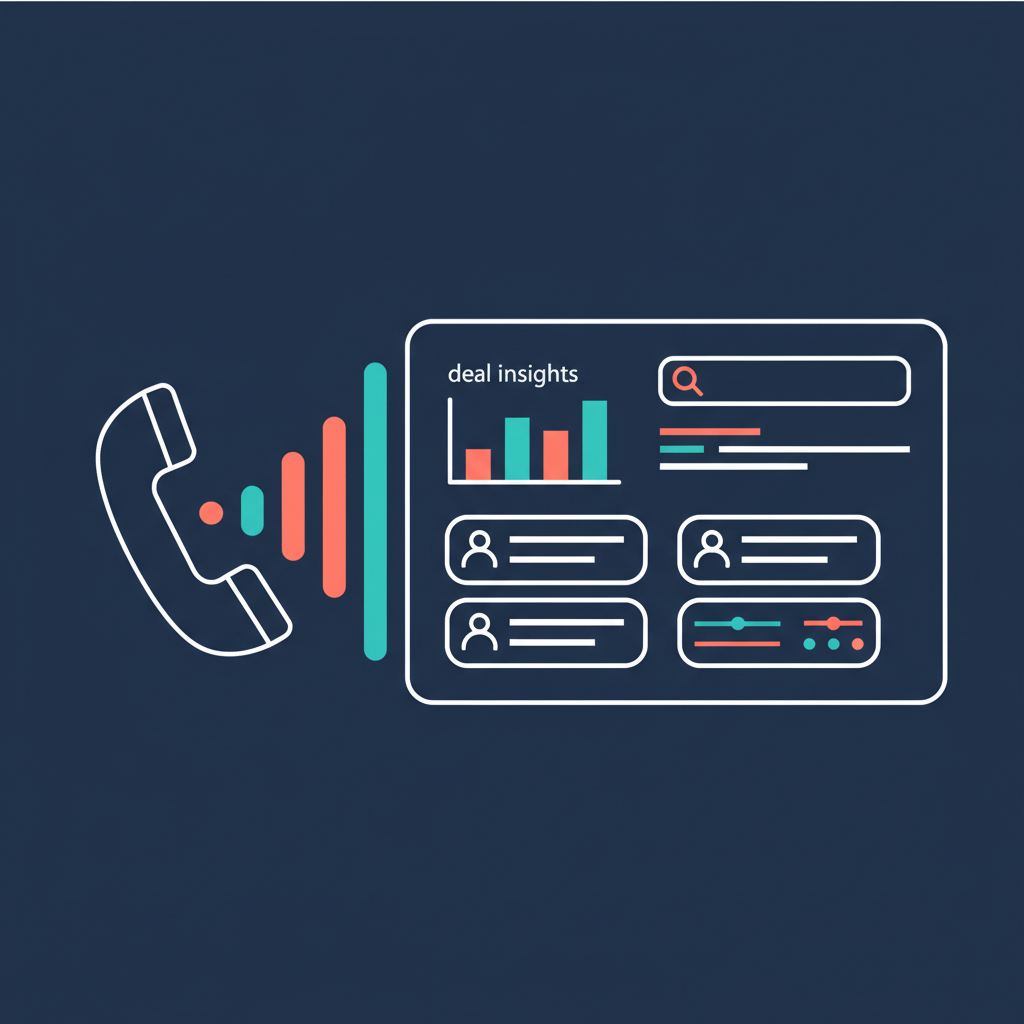
This is where consulting workflows actually change. Anthropic’s Claude Opus powers a search layer that understands meaning, not just keywords. Search “vendor consolidation pushback” and find the relevant exchange from three weeks ago, even if those exact words were never spoken.
For a consultant managing three active engagements, this means insights from a healthcare client’s operational review can inform questions during a manufacturing client’s process audit — not because the consultant remembered the connection, but because the search surfaced it.
Client-Isolated Privacy
Both OpenAI and Anthropic contractually guarantee zero training on user data. Audio is encrypted in transit; processing copies may be retained to deliver and recover requested features. All transcripts stay on the consultant’s device with encrypted transport. No client conversations on a third-party server.
Getting Started
AmyNote works for in-person meetings, not just video calls — which matters when half your client interactions happen in conference rooms. Transcription by OpenAI, AI analysis by Anthropic Claude Opus, with zero-training guarantees from both providers.
Try it free for 3 days at amynote.app — no credit card required.
Originally published as an X Article.