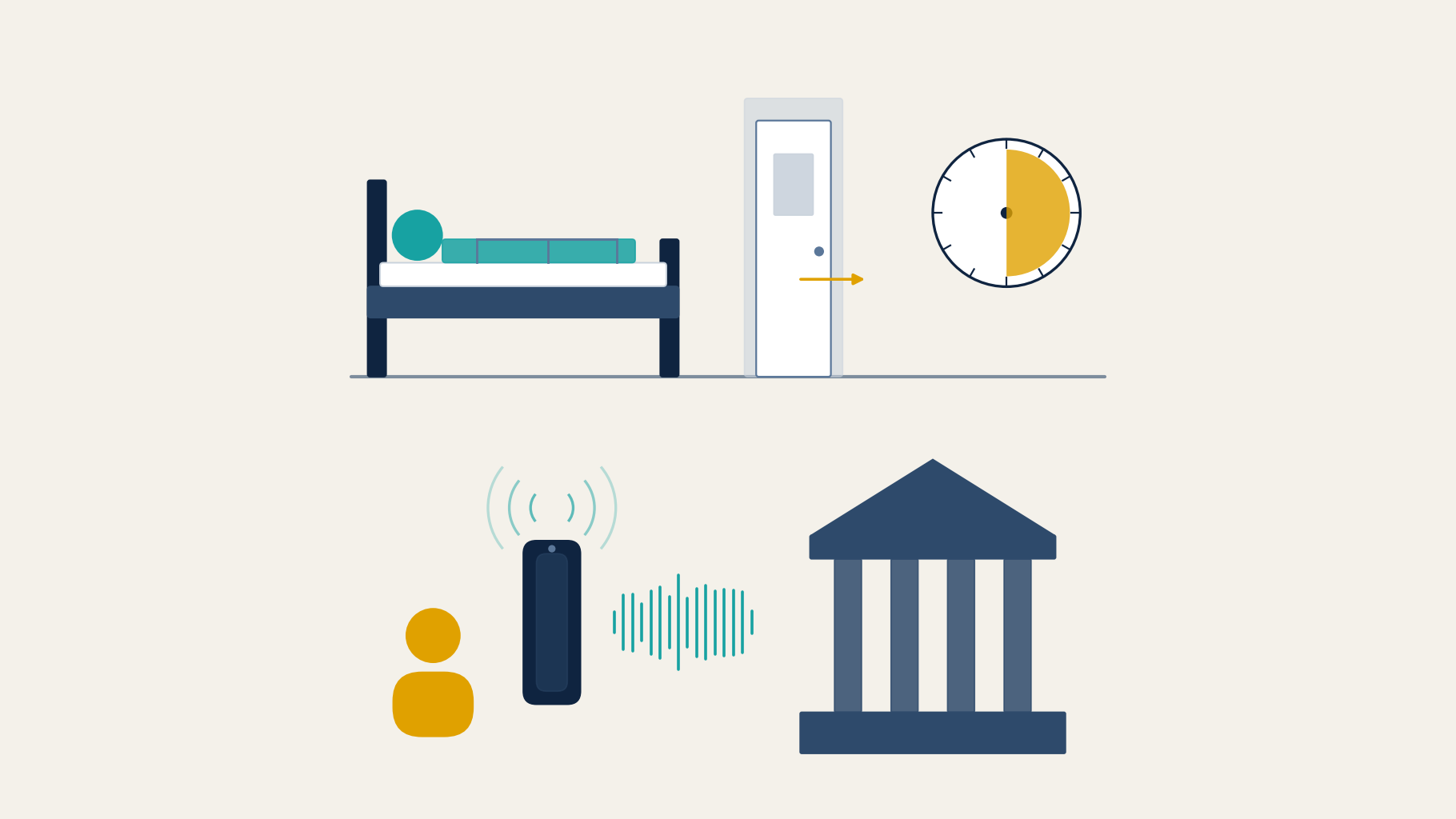
The case manager says your mother is being discharged tomorrow morning. She still cannot stand on her own. You call the number on the hospital notice, explain everything to someone, and hang up. The next day nobody on the floor knows about the call, and a billing office later asks why she stayed.
Medicare gives hospital patients a fast way to challenge a discharge they think is too early. It is not a form, a lawyer or a hearing. For most families it is one phone call, made from a hospital hallway, often on the same day the discharge is announced. Whether that call protects your mother from the bill depends on when it happened and what was said, and the only formal record of it belongs to someone else.
The Problem: The Appeal Is a Phone Call
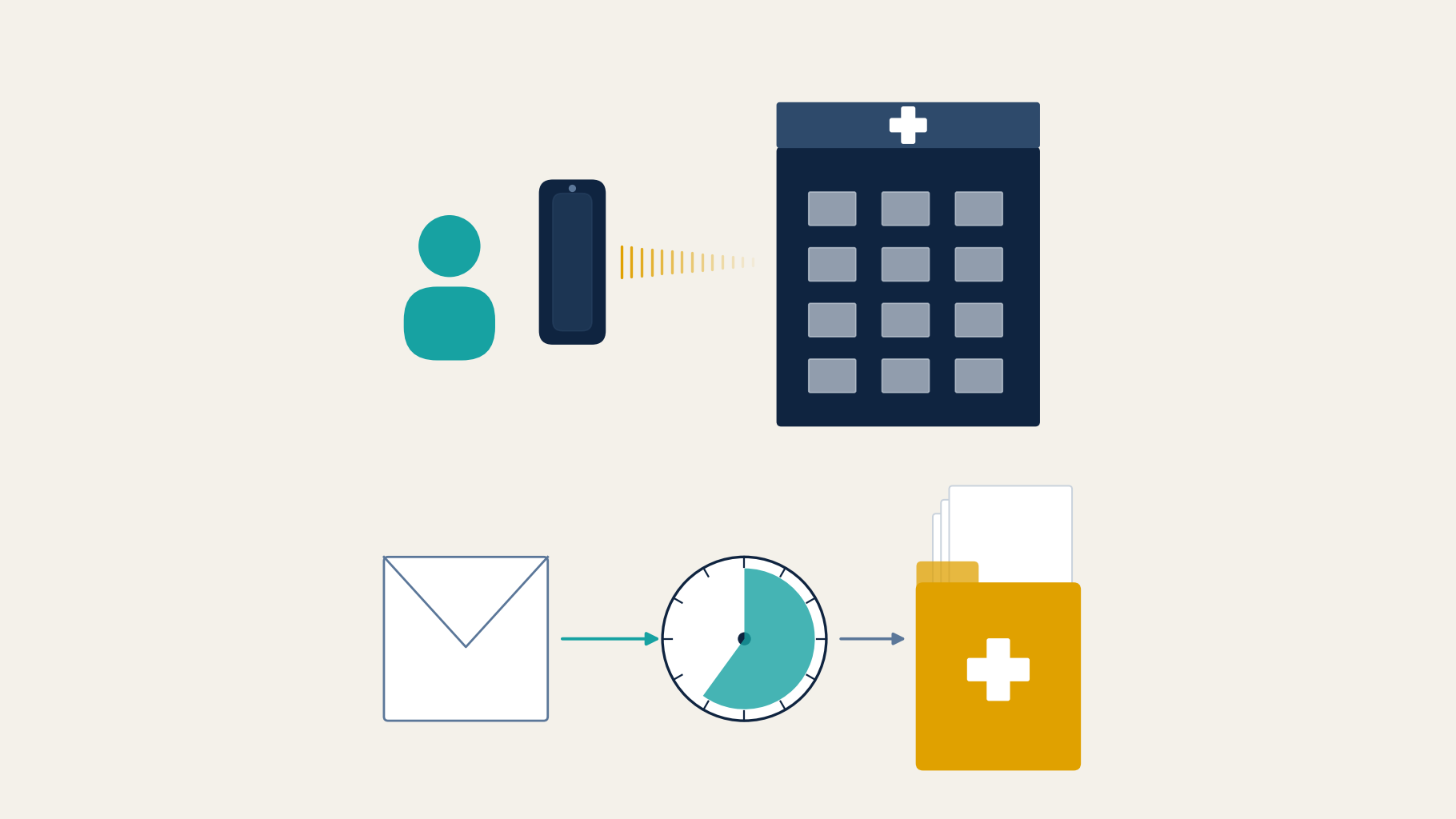
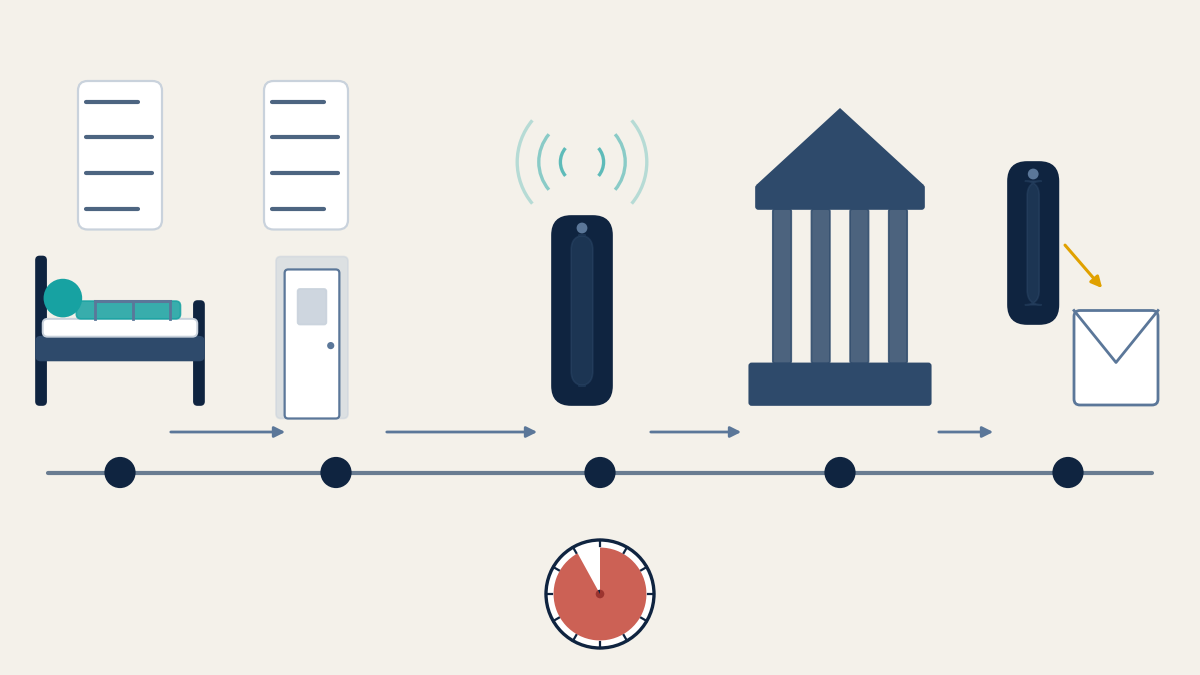
Under 42 CFR 405.1205, the hospital must hand every Medicare patient a written notice of discharge appeal rights “no later than 2 calendar days following the beneficiary’s admission”, and again “not more than 2 calendar days before discharge”. That notice points to the QIO, the independent Quality Improvement Organization that reviews the hospital’s decision.
Under 42 CFR 405.1206, the request to the QIO “must be made no later than the day of discharge and may be in writing or by telephone.” For most families it is a phone call from a hallway. Everything hangs on that call:
- The QIO starts the clock. On receipt, it “must immediately notify the hospital that a request for an expedited determination has been made.”
- The hospital carries the burden. The rule says “the burden of proof rests with the hospital to demonstrate that discharge is the correct decision.”
- The answer arrives by voice. The QIO decides “within one calendar day after it receives all requested pertinent information” and tells you “by telephone, followed by a written notice.”
Read together, those rules put the family’s phone call at the center of the case. The call is the request. The call is what tells the hospital to stop and justify itself. And the decision that ends the review often arrives as another call, before any letter does.
Why Current Solutions Fail
Most families write “called Medicare reviewer, 3pm” on the back of the notice. That note cannot show who answered, what was said, or which notice the call was about. It is written by a tired relative in a corridor, and it is the only thing the family has when the dates are questioned later.
Where families lose:
- A late call loses the protection. A timely caller owes nothing beyond coinsurance and deductible for care “before noon of the calendar day after” they receive notification “(either orally or in writing)”. Miss the day and you can still ask, but “the financial liability protection” does not apply.
- The reviewer calls back. You “must be available to discuss the case”, and the QIO “must solicit the views of the beneficiary”. That call is where your side of the case gets heard, and nobody hands you a copy.
- The decision is spoken first. The phone call that upholds the discharge starts the noon deadline. The letter can arrive later.
Medicare Advantage patients follow the same pattern under 42 CFR 422.622, with the same day-of-discharge timing and the same option to ask by telephone.
What the Rules Make Depend on a Phone Call
| What is at stake | Rule | What it depends on |
|---|---|---|
| Whether you were told your rights in time | 405.1205(b)(1), (c)(1) | Written notices within 2 days of admission and not more than 2 days before discharge |
| Whether a request exists | 405.1206(b)(1) | A request made no later than the day of discharge, in writing or “by telephone” |
| Whether your side is heard | 405.1206(b)(2), (d)(4) | Being available when the QIO calls to hear your views |
| Who has to prove the case | 405.1206(c) | The hospital, once the request has been made |
| How fast the answer comes | 405.1206(d)(6)(i), (d)(8) | One calendar day after the QIO has what it asked for, delivered by phone first |
| Who pays for the extra days | 405.1206(b)(5)-(6), (f)(2) | A timely request, and the time the decision was given to you, orally or in writing |
Every row turns on a moment in time. For a family, the only proof of that moment is whatever they captured on their own side of the call.
What Actually Works
The fix is a verbatim, timestamped record of every call, kept by the family, not the hospital.
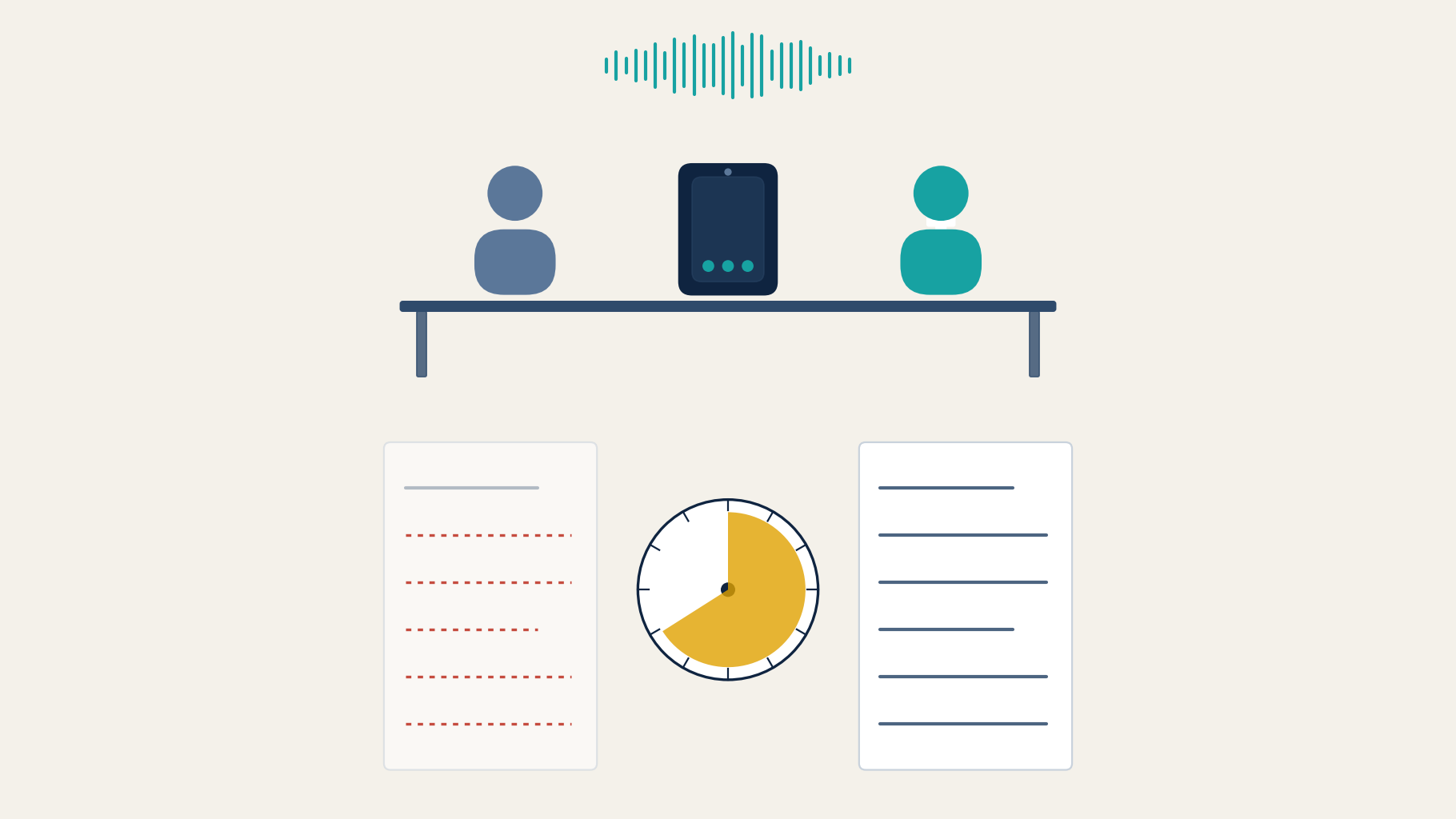
Record the call in the room. Put the call on speaker and let AmyNote record from a second device, such as an iPad. Tell the reviewer the call is being recorded and follow your state’s consent law, since some states require every party to agree.
Capture the exact words. Transcription runs on OpenAI’s latest Speech API, so the reviewer’s name, the discharge date and the sentence “I am requesting an expedited determination” land in the transcript as spoken.
Keep the speakers straight. Speaker identification separates you, the QIO reviewer and the case manager, and remembers voices across calls, so the request, the callback and the decision sit in one timeline.
Turn the calls into evidence. AI analysis runs on Anthropic’s Claude Opus. Ask it for the time of each call, each reference number and every reason the hospital gave. The hospital must give you what it sends the QIO, “including written records of any information provided by telephone”, so you can compare its version with your transcript.
Privacy stated plainly. Transcription runs through OpenAI and Microsoft Azure speech services, and AI analysis through Anthropic. AmyNote states that it does not use customer data to train AI models. Audio and text are encrypted in transit with TLS, and the saved library stays on the caregiver’s own iPhone or iPad, where playback and export work offline.
Local first is not local only. When transcription or a summary runs, the needed audio or text is uploaded, and a processing copy may be retained to complete the request. AmyNote publishes that trade-off rather than hiding it.
Getting Started
When the discharge notice arrives, find the QIO phone number on it and note the date you received it. Then:
- Call before the end of the discharge day. A request made on time is what keeps the financial protection in place.
- Start a recording with consent. Say at the start of the call that you are recording, and keep the phone on speaker next to the second device.
- Use the words. Say plainly that you are requesting an expedited determination, and ask for a reference number and the name of the person you spoke to.
- Stay near the phone. The QIO will call back to hear your side. Record that call too.
- Record the decision call. Note the exact time, because the noon deadline for any further charges runs from that notification.
AmyNote offers transcription by OpenAI, analysis by Anthropic’s Claude Opus, zero-training commitments from both, and a three day free trial with no credit card.
Originally published as an X Article by @AmyNoteApp.